Got lice? Or know someone who has been infected?
Read this guide, better if alongside your parent or guardian, to know the steps on how to quickly get rid of all the lice.
DON'T PANIC!
Lice Source
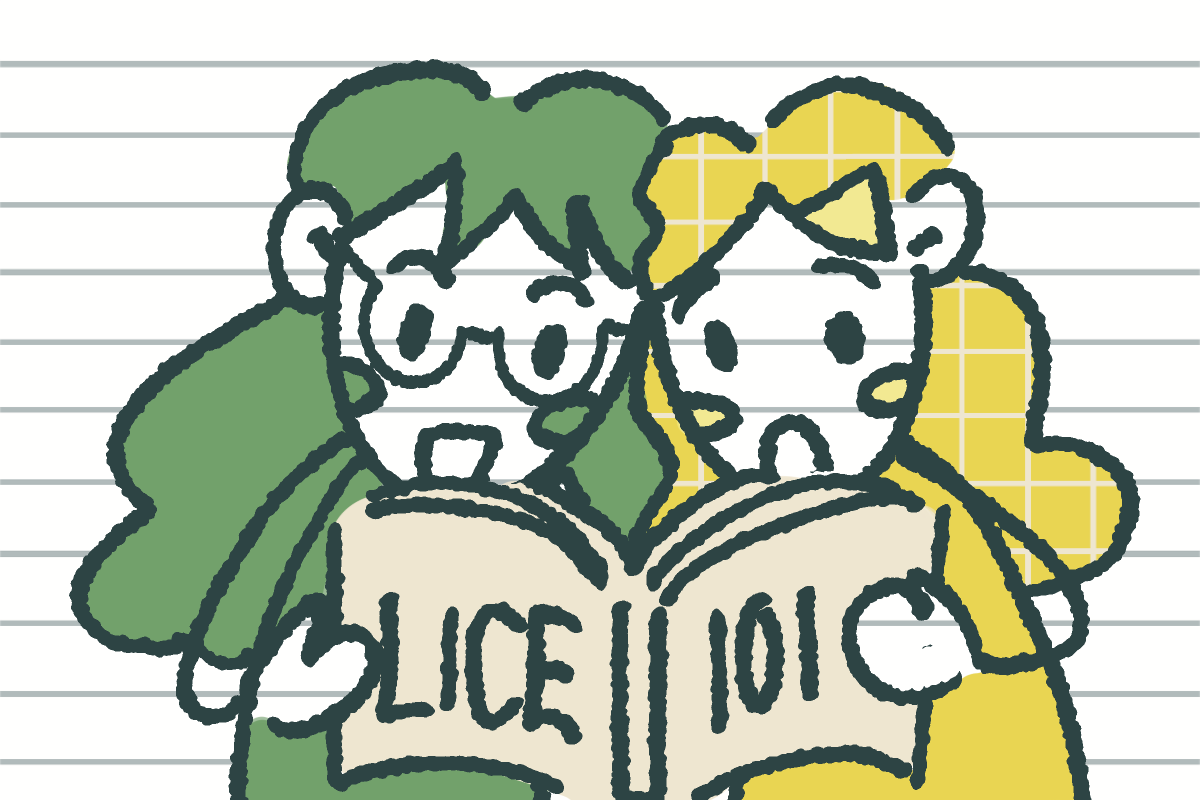
Where could the lice have come from? You can get head lice when you touch a person who's already infested with it.
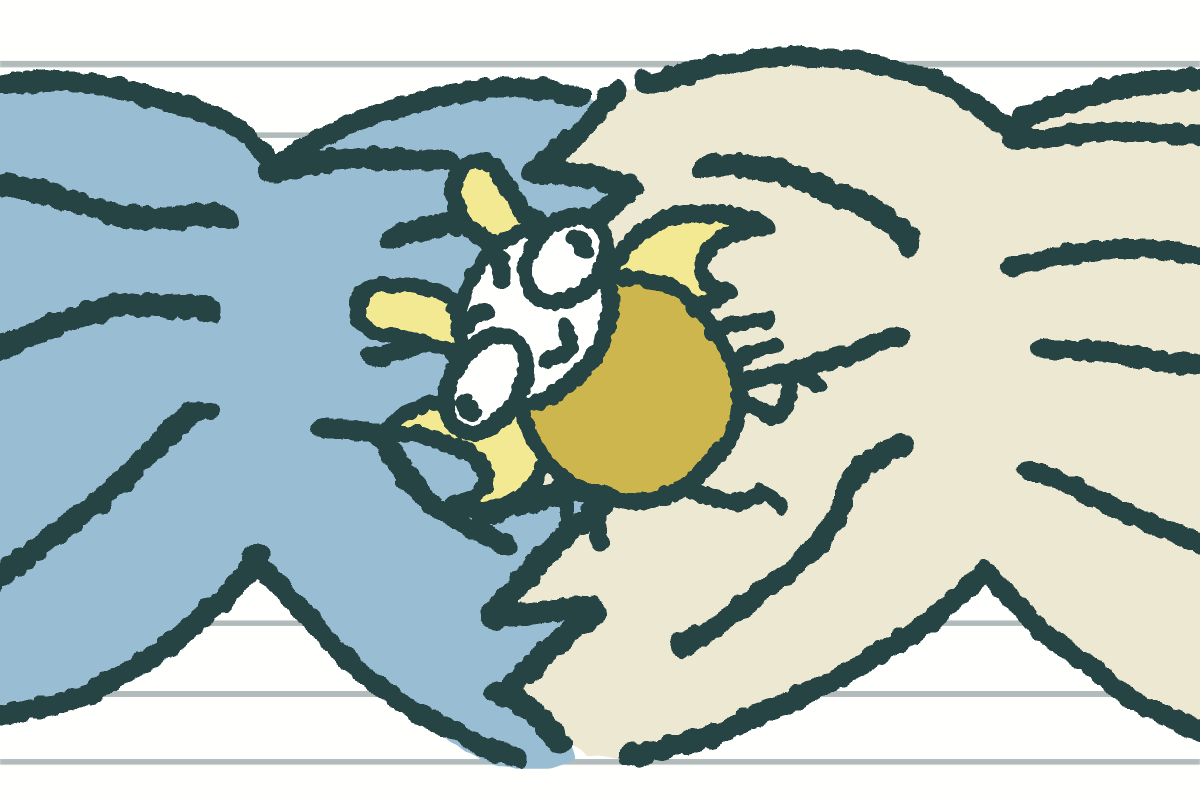
They spread most commonly through head-to-head contact, where they crawl from someone's head to another, especially in places where we get close to our friends and family, like schools, homes, or even sleepovers! Also, lice can hide in the stuff we share with others, like combs, hairbrushes, hats, or pillows, although they do not jump or fly.
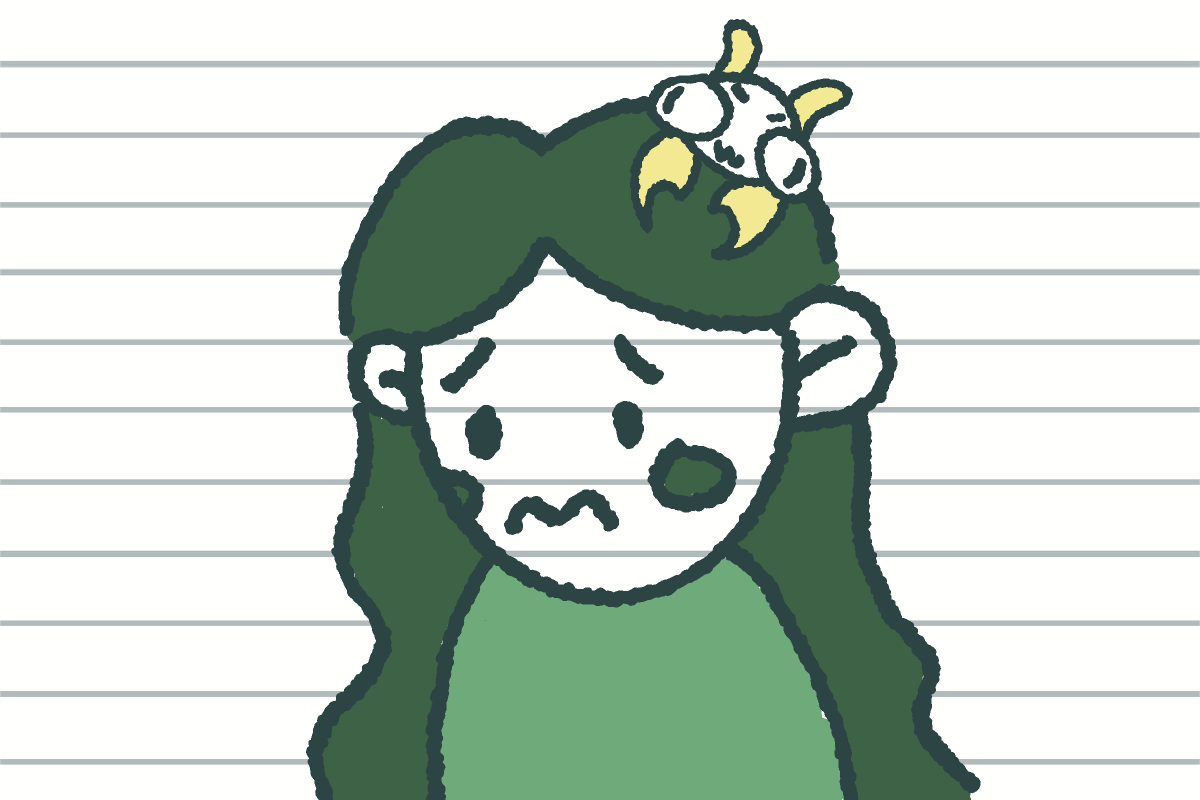
Because lice can only survive for a short time away from a person’s scalp, their source is almost always from someone else who already has lice.
Treatment
Check Properly Before Treating
Look for:
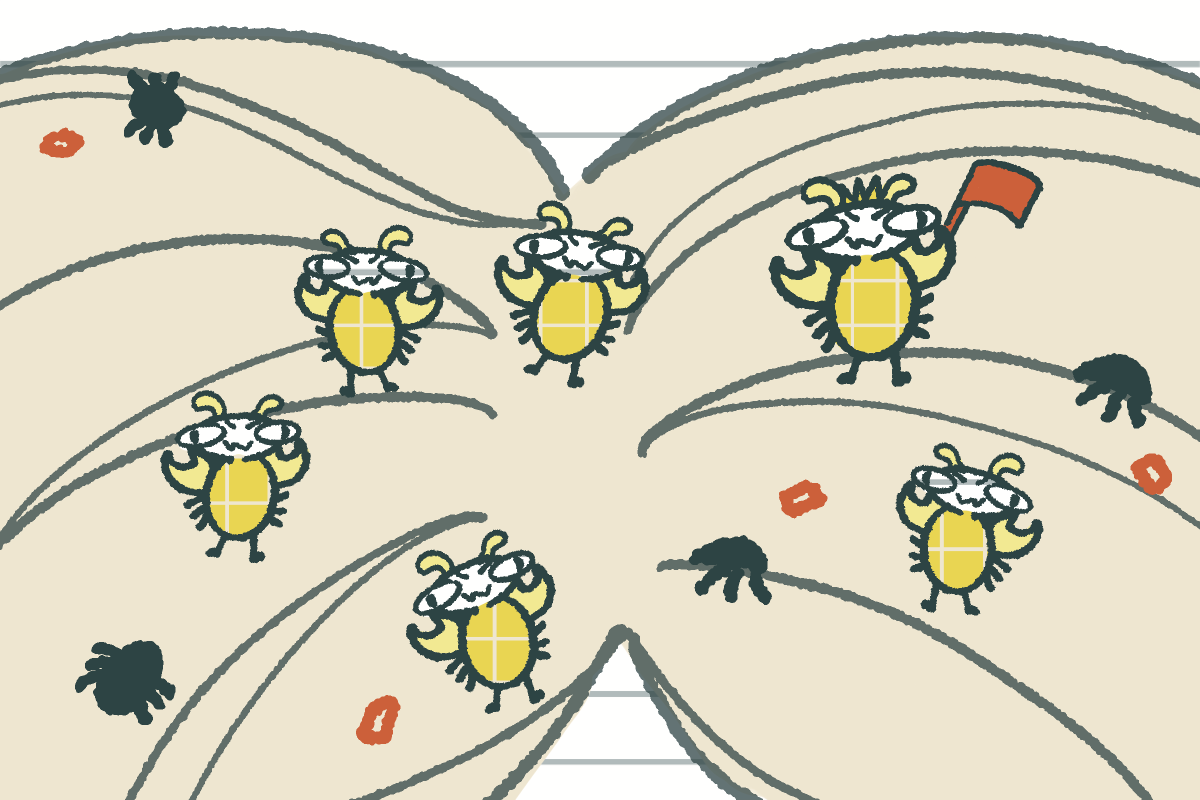
Live lice near the scalp.
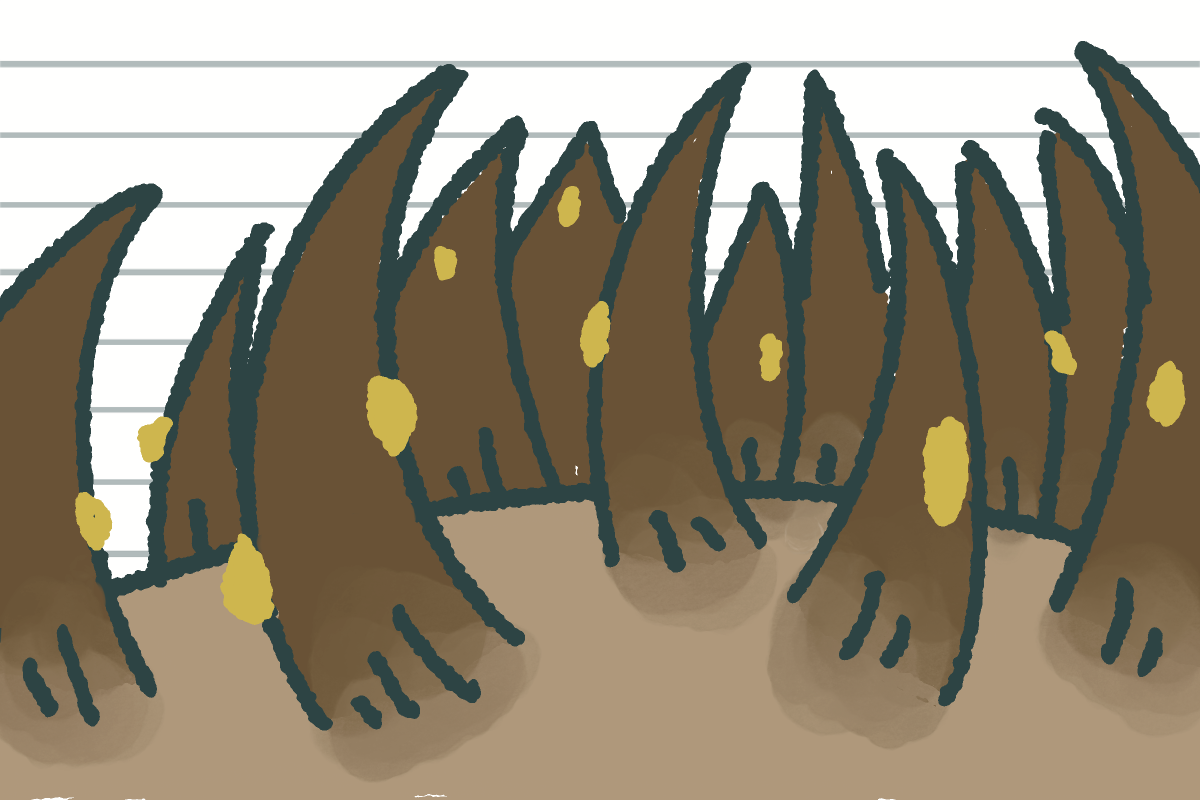
Nits (eggs) attached to hair strands; they may be hiding behind your ears or at the nape of your neck!
Use good lighting and a fine-toothed lice comb (suyod) to be really sure that there's actually an infestation.
TEACHER & PARENT INSIGHT: Many families delay treatment because they are not sure if lice are really present, often due to fear of embarrassment. Checking for lice early helps stop the spread!
Use Safe & Effective Treatment
This is the recommended approach:
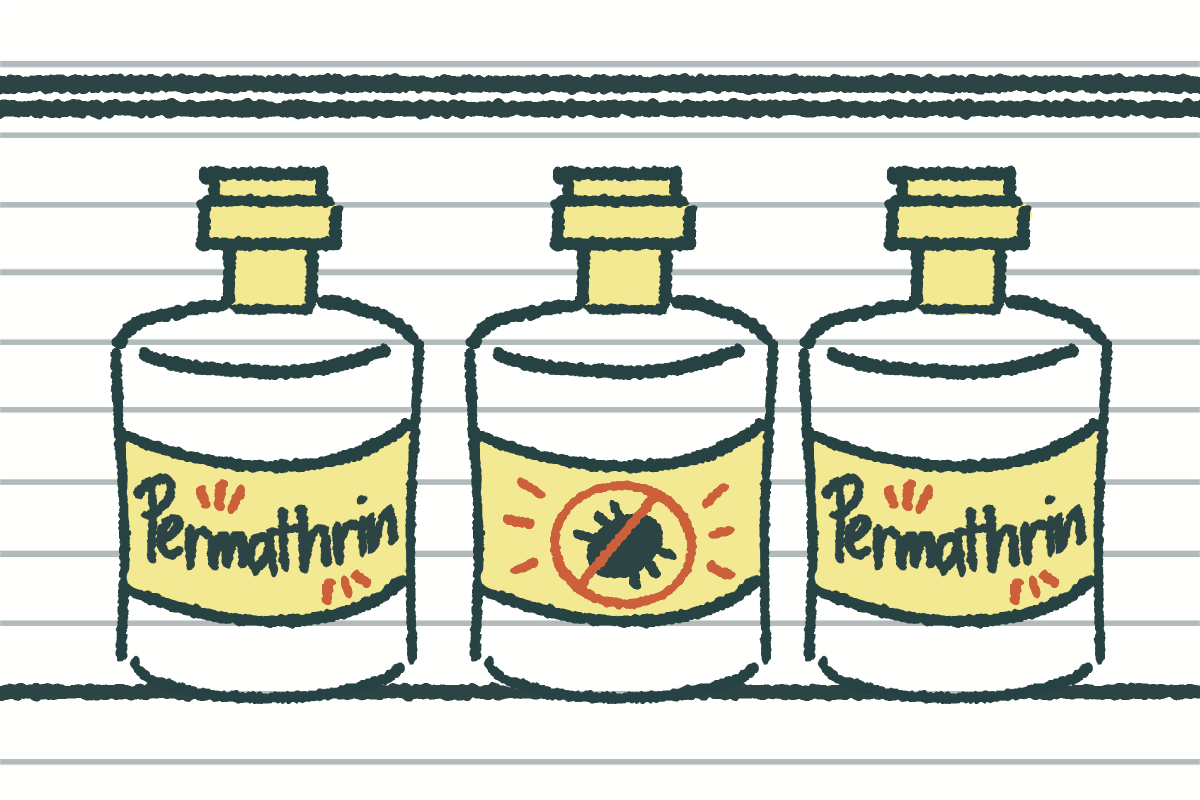
1
- Use anti-lice shampoo (such as permethrin-based ones)
- Make sure you follow the instructions properly!
- Do not use more shampoo than necessary.
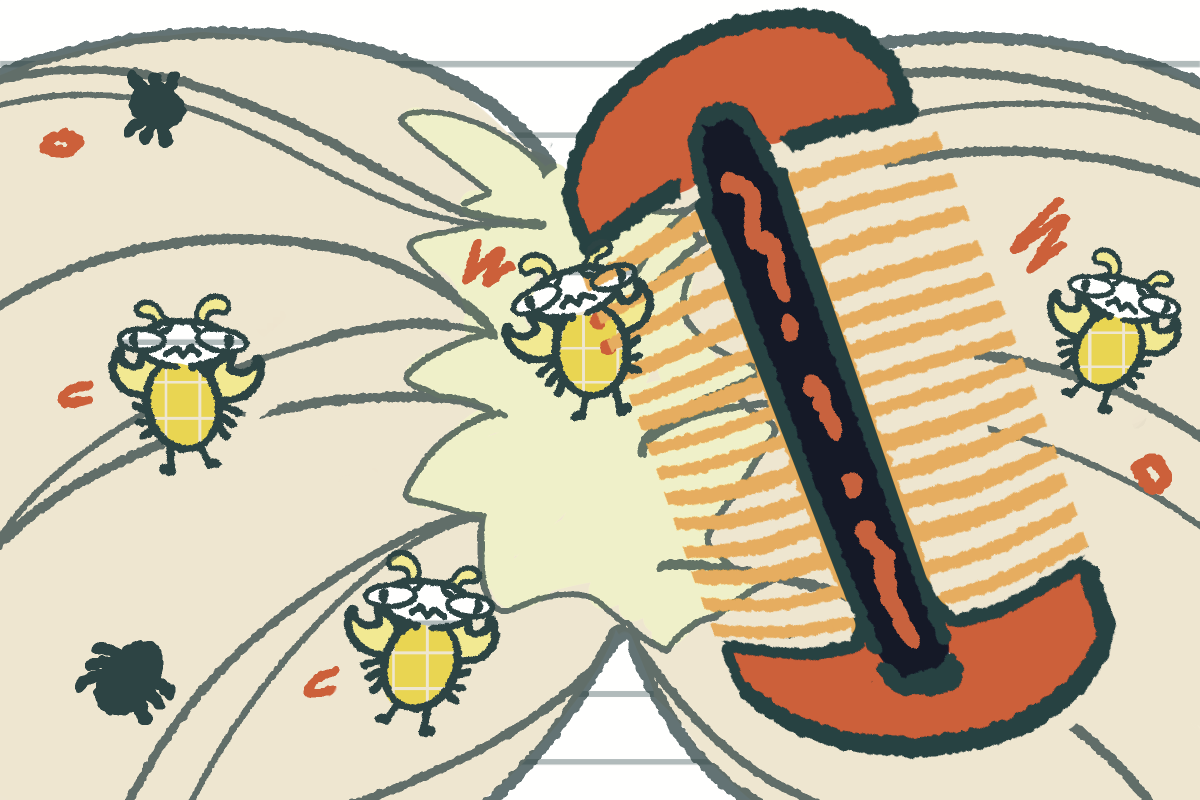
2
- Manual removal with a lice comb or suyod
- Comb wet hair section by section
- Repeat every few days.
Treat the Whole Family
Lice control only works when everyone works together!

- Check and treat all close contacts
- Wash bedding, clothes, towels, and hats in hot water
- Items that can’t be washed can be sealed in plastic for several days
Families living together cannot separate easily. Community-wide action is more important than individual blame.
Reduce Pain and Fear During Treatment
Many children think lice treatment comes with painful pulling, shouting, or punishment, which adds fear and resistance.
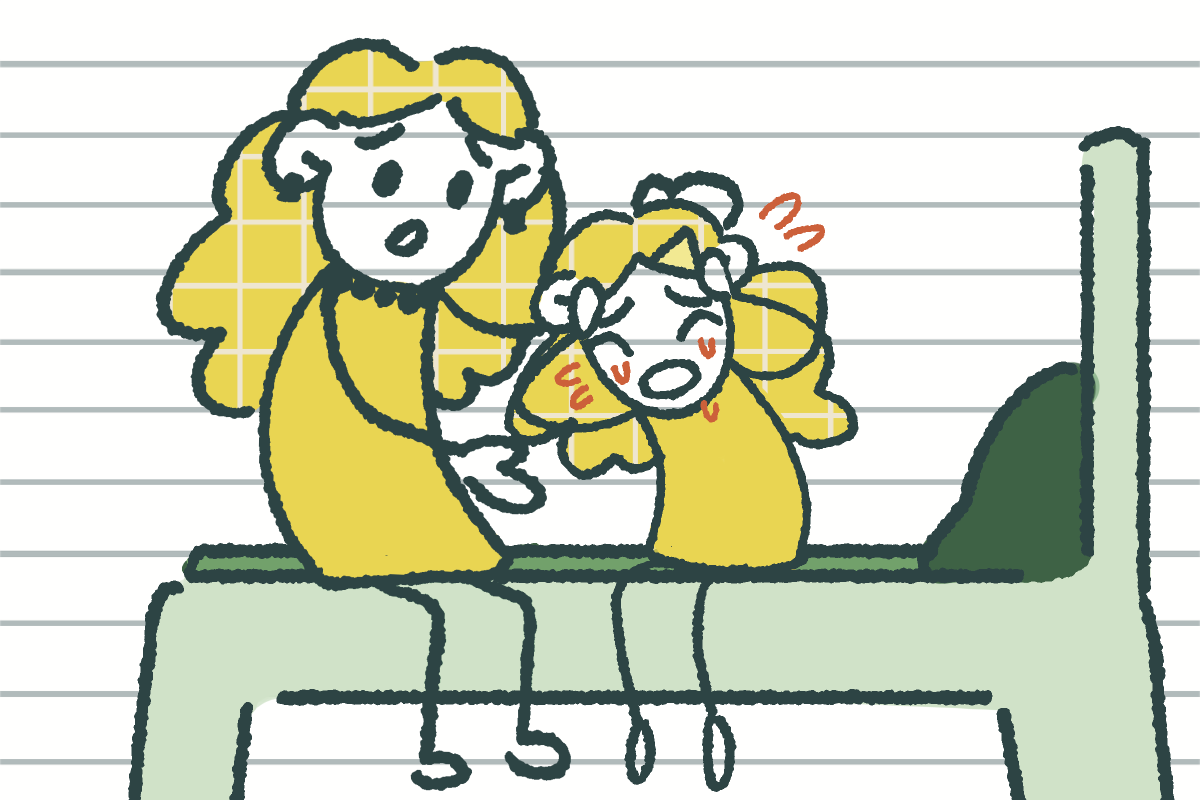
- Be gentle and patient
- Explain what you’re doing and why
- Take breaks if the child is distressed
Past painful “kutuhan” experiences made children anxious and ashamed, sometimes causing them to hide their condition.
Prevent Re-infestation
Teach simple habits:
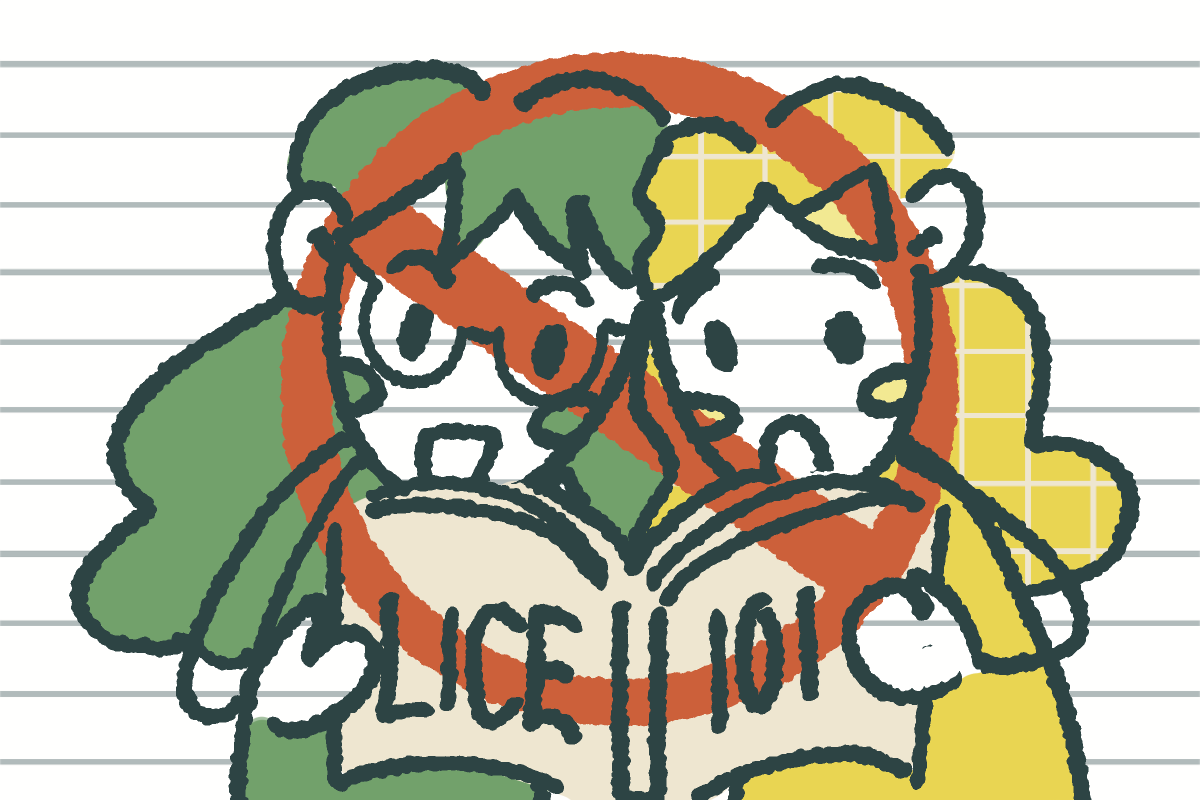
Avoid touching heads when possible.
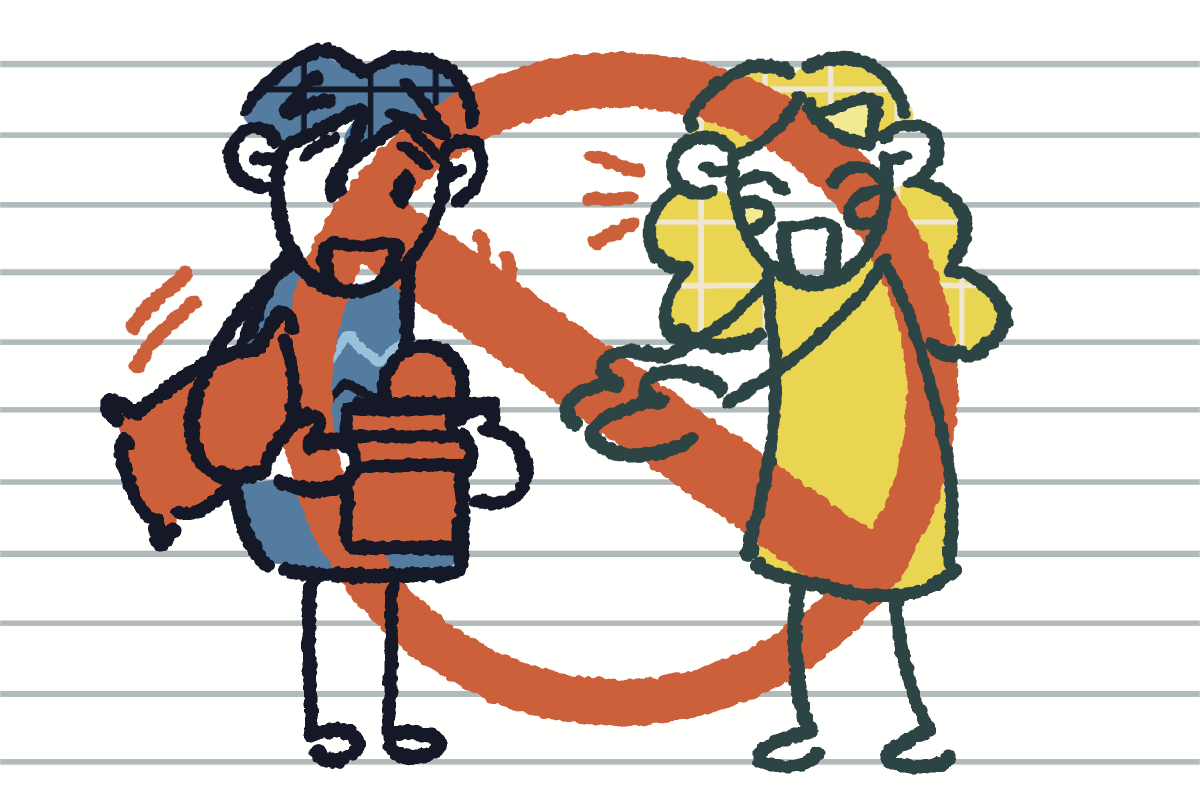
Don't share combs, hats, towels, or pillows.

Do regular head checks at home.
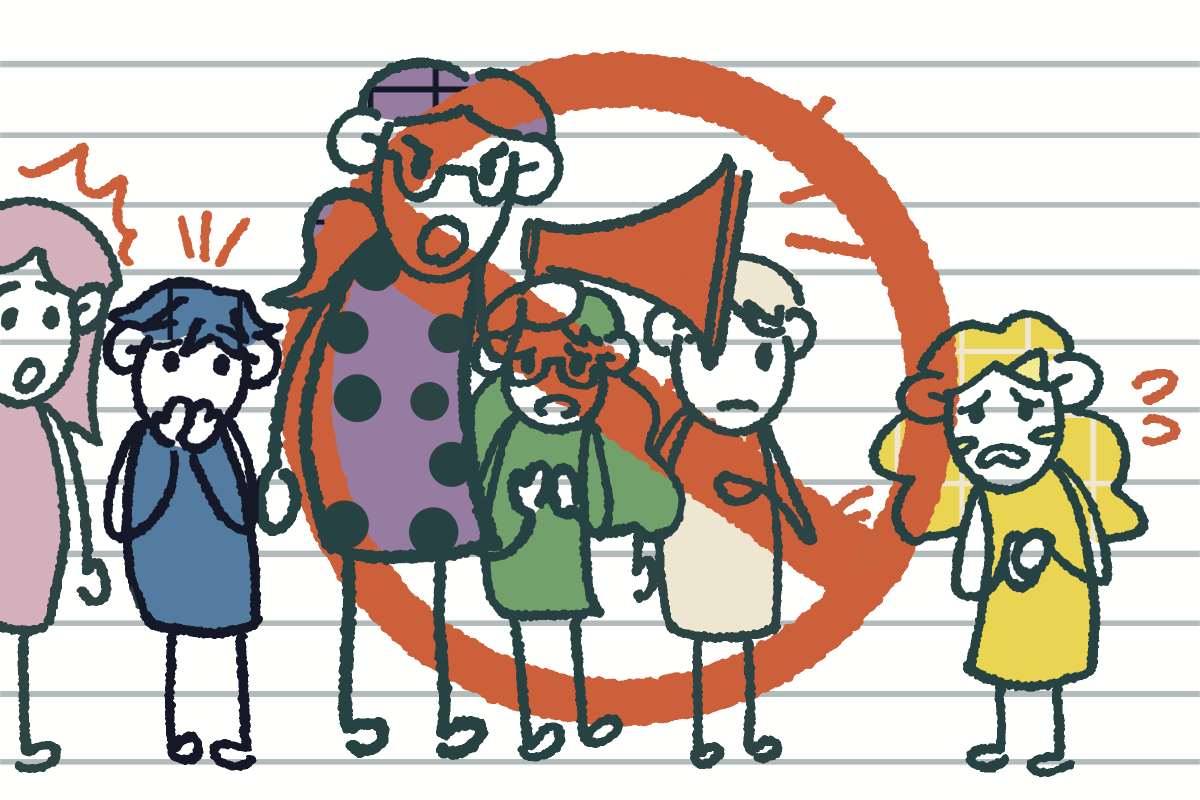
Prevention works best when schools and parents send the same message and avoid singling out or isolating students.
Address Stigma, Not Just Lice
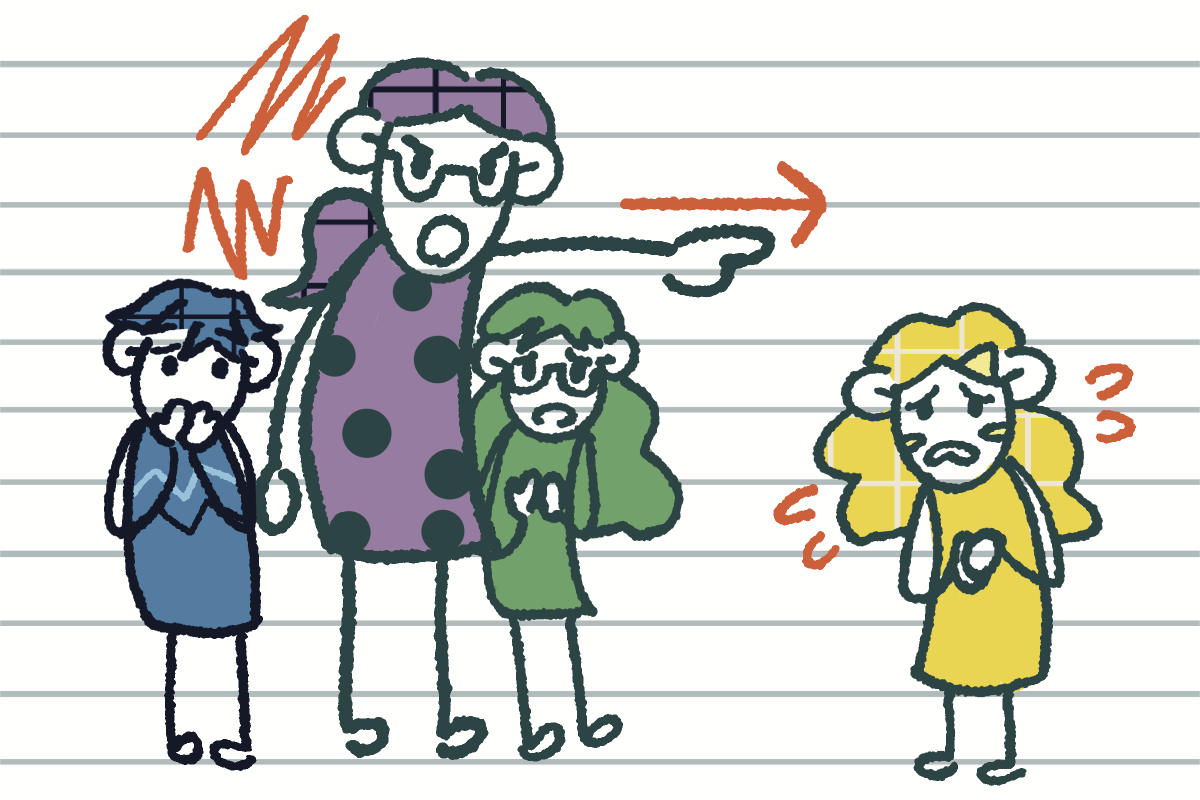
Children with lice often experience shame, bullying, and isolation, which can affect learning and self-esteem.
When to Seek Medical Help
Consult your doctor if:
1
Treatment fails after proper use.
2
The scalp becomes infected or severely irritated.
3
The child is in pain or distress.
What to Do at Home
In case of a head lice infestation at home, you, and everyone around you, should stay calm.
Make sure that there really is an infestation by carefully checking the scalp with a fine-toothed lice comb or suyod under good lighting.
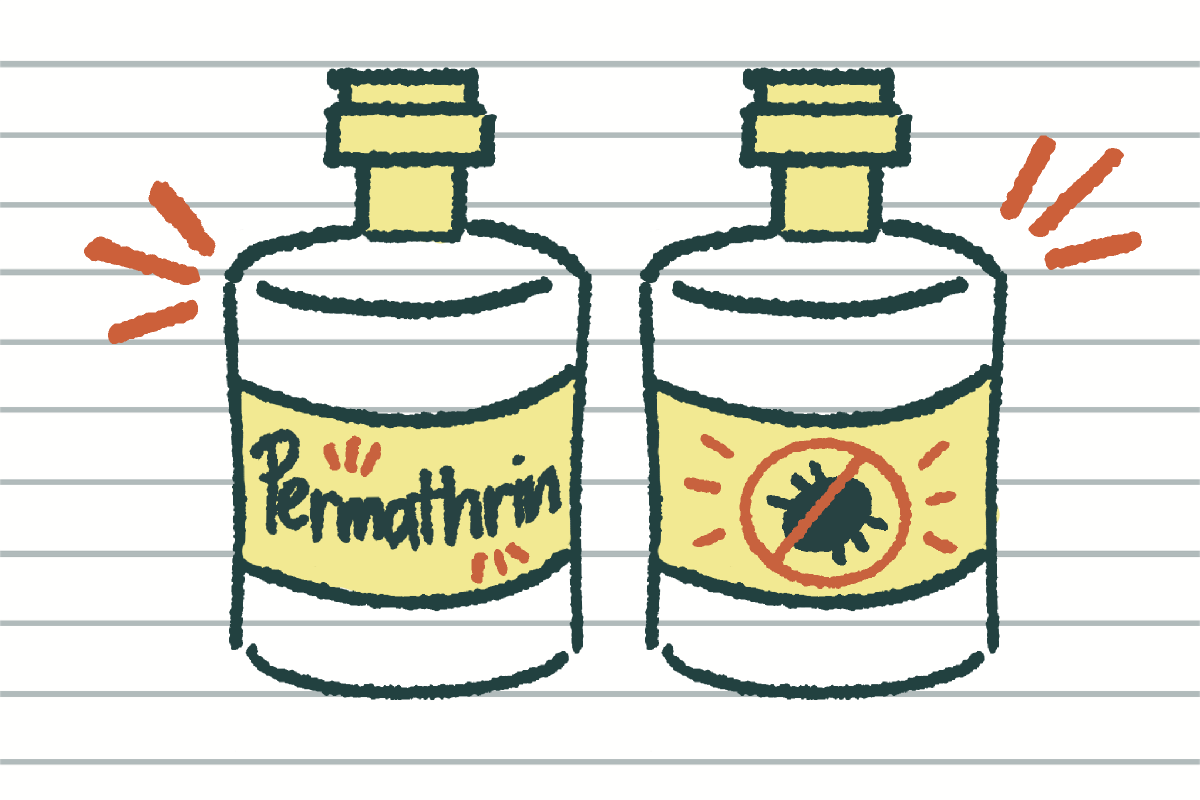
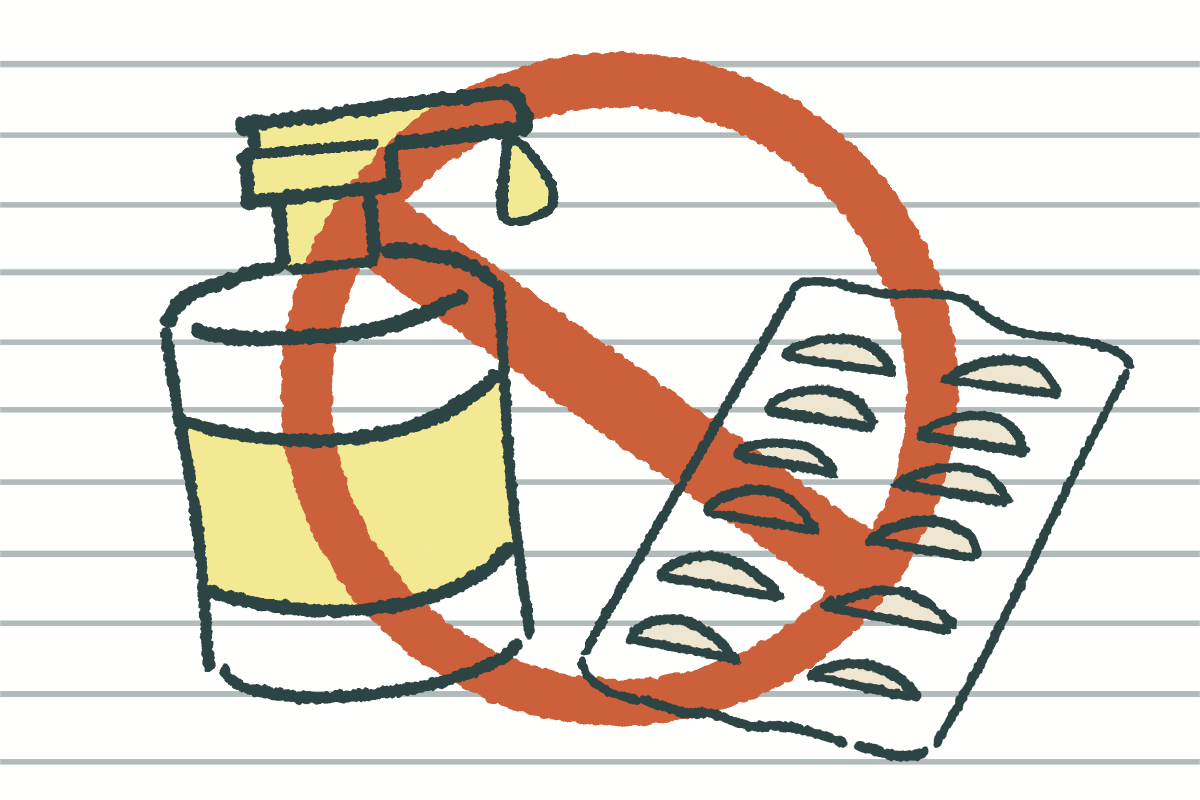
If you do see lice, use a safe, anti-lice shampoo as directed and gently comb the hair to remove lice and nits, while avoiding doing anything harmful like using gasoline or harsh chemicals as these are dangerous.
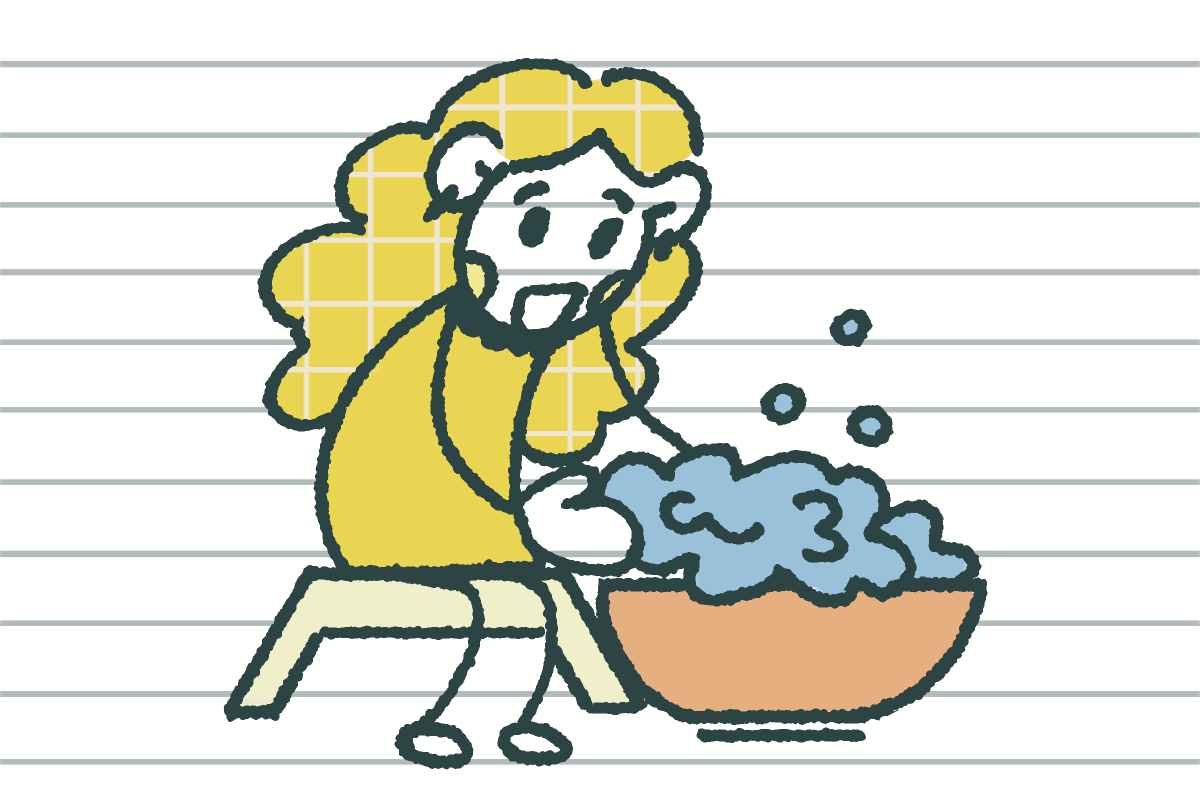
To prevent reinfestation, everyone in the family should be checked and treated if needed, bedding and personal items should be cleaned, and the process should be done patiently and kindly to avoid causing fear or shame.
What to Do at School
At school, your teachers should handle head lice cases by avoiding public announcements or setting the child aside from his/her classmates, and instead offer reassurance to prevent embarrassment and stigma.
Practice general hygiene inside the classroom, such as not sharing combs or hats without calling anyone out.
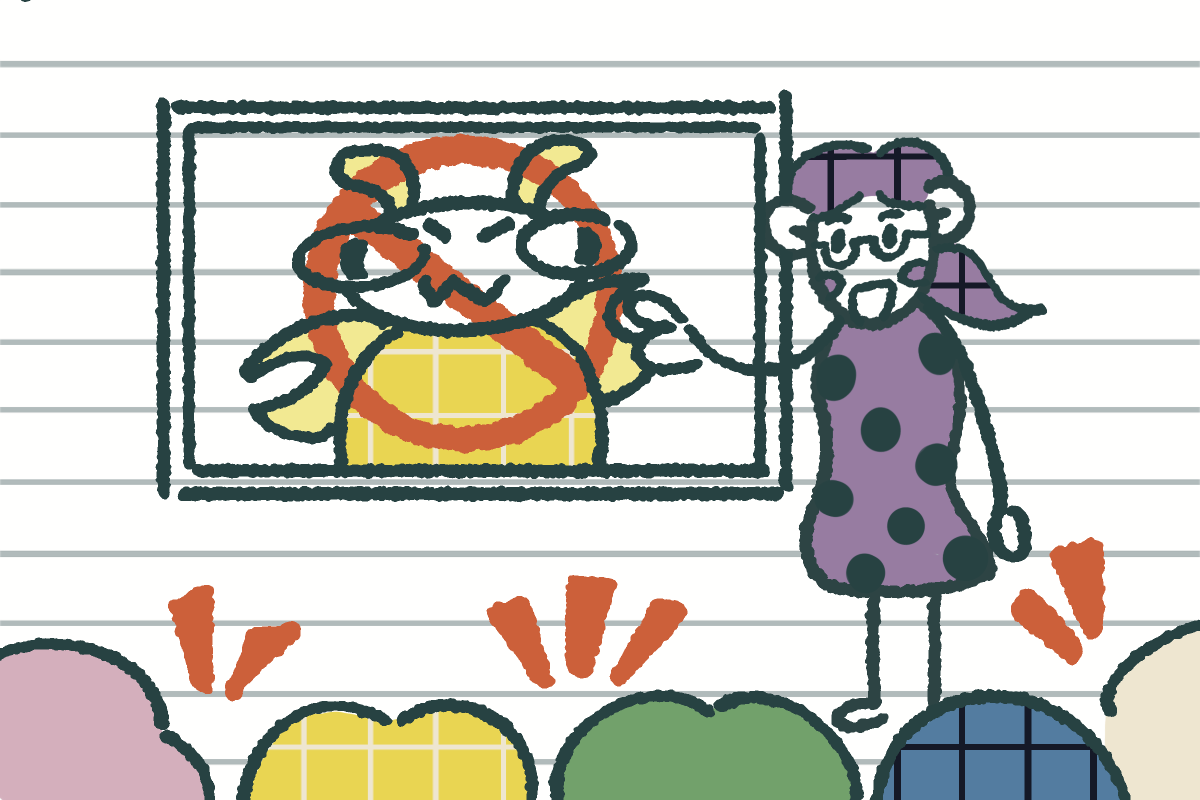
Schools can help prevent further spread by promoting regular head checks, teaching kids accurate information about lice, and creating a supportive environment that treats lice as a medical issue rather than a disciplinary or hygiene failure.
Share the truth about lice