Get to know the
KUTO-TOHANAN!
"Kuto-tohanan" is a portmanteau of the Filipino words "kuto" (lice) and "katotohanan" (truth). Let’s explore the truth (and nothing but the truth) about lice.

Head lice (with its long and complicated-sounding scientific name Pediculus humanus capitis - can you say that out loud?) are very tiny insects that want to live on top of your head, your scalp.
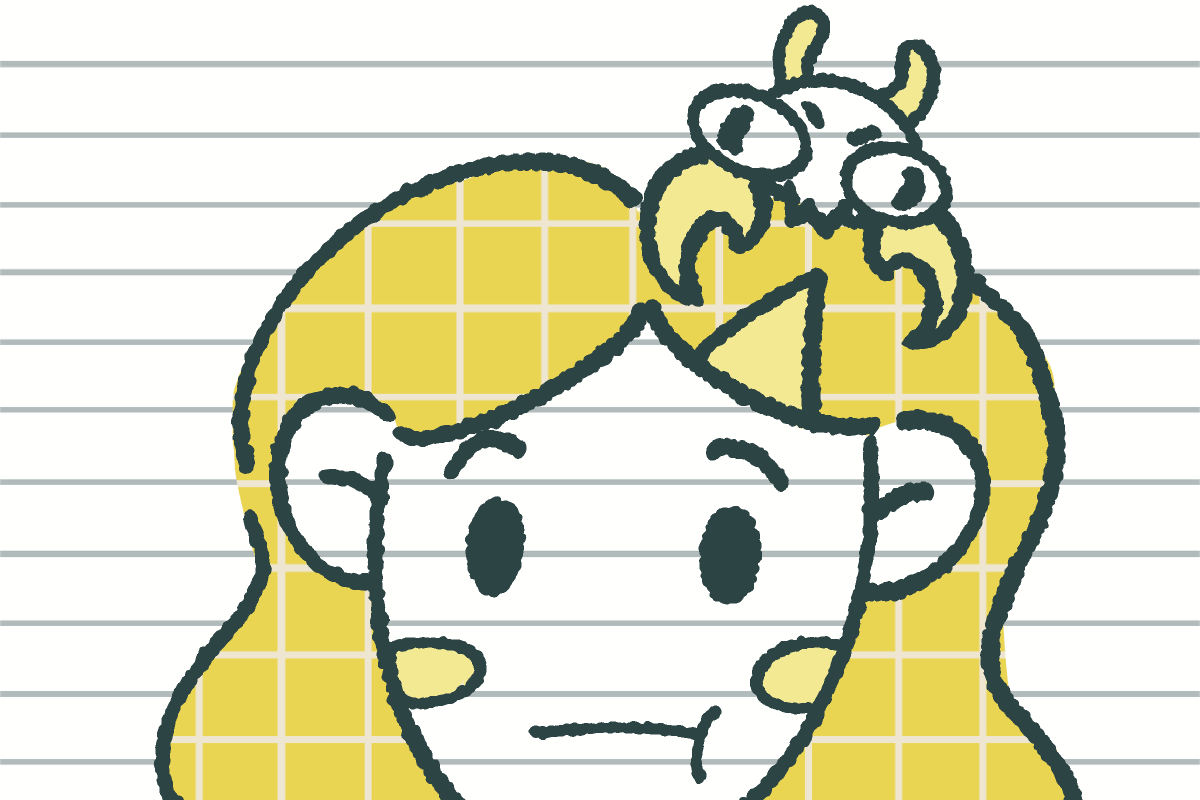
They thirst for your blood. And once they get to you, they can cause itching and discomfort.
These creatures spread mainly through direct head-to-head contact with one another, which is super common among playful, fun-loving kids like yourself.
Head lice are medically manageable, and they pose a low risk to us when treated properly. However, they often cause emotional and social distress due to their bad reputation.
Fake News!
You may have heard of some spooky myths surrounding head lice:
Lice is caused by poor hygiene, neglect by your parents, or dirt.
Children with lice might “fly away” because of lice!
Gasoline and oil are effective in getting rid of lice.
Let's Look at the Numbers
Head lice infestations are particularly high among school-aged children worldwide. According to data, head lice infestations affect up to 20% of elementary students in low- and middle-income countries, including here in the Philippines.
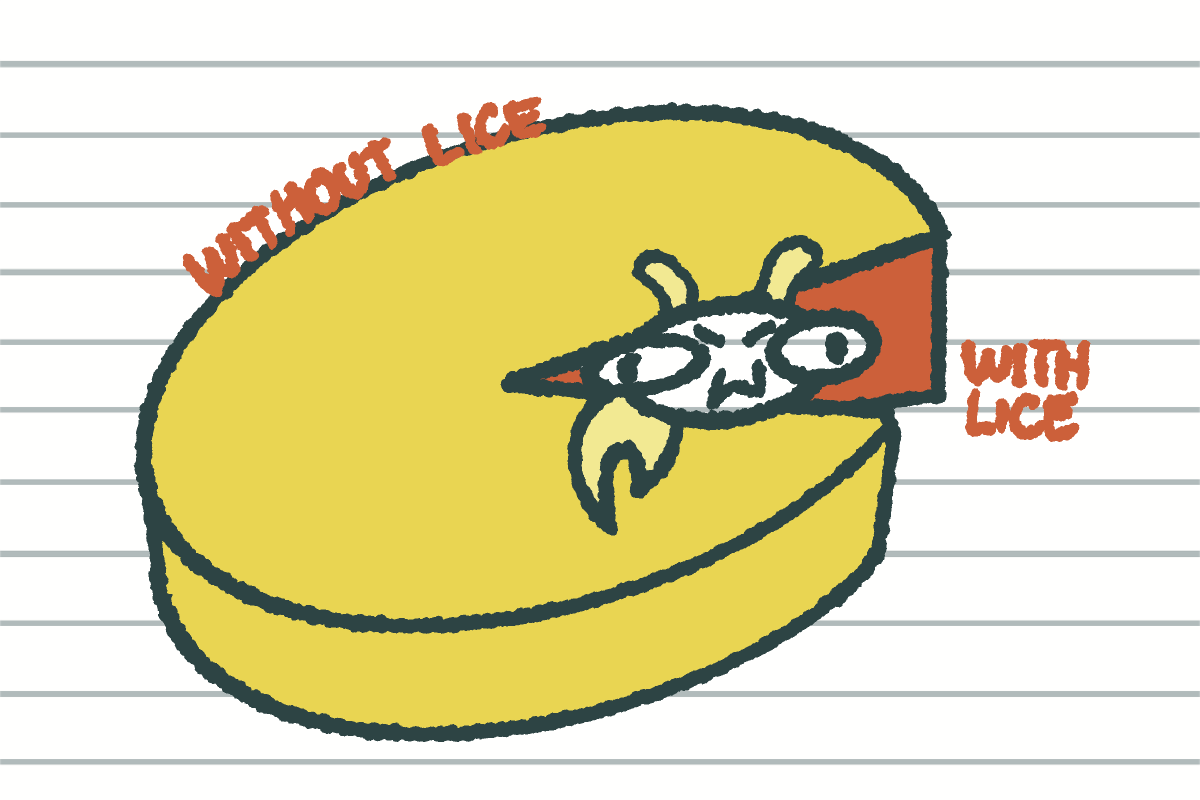
In the Philippines, studies show varied but significant prevalence among schoolchildren:
Also, lice are common in public elementary schools, but students often don't say that they have it due to the stigma and fear of embarrassment.
Despite this, pediculosis (the term for a head lice infestation) is not treated as a high-priority health issue by authorities, leaving management mainly to families and schools.
Share the truth about lice





Don't Panic!
Are you itching to get rid of that lice right now?
Thanks for the guide. I wish this lice problem goes away soon. Here’s some medicine that I just bought
With proper and immediate treatment, it certainly will. Good luck!
Test