Get to know the
KUTO-TOHANAN!
"Kuto-tohanan" is a portmanteau of the Filipino words "kuto" (lice) and "katotohanan" (truth).
What are head lice?
Head lice (Pediculus humanus capitis) are tiny, wingless insects that live on the human scalp and feed on blood. They spread almost exclusively through direct head-to-head contact, especially among young children during play, school activities, and shared belongings.
While often viewed as a nuisance rather than a serious medical threat, myths, stigma, and misinformation continue to surround this condition.
To explore these issues, we interviewed Dr. Lorraine Basero, a pediatrician training at UERM and a newly certified diplomate, about her clinical experiences and recommendations regarding head lice in children.
Myths and Misconceptions
Dr. Basero notes that one of the most common myths she hears is that lice can jump or fly from one person’s head to another, something parents often believe. Clinically, lice spread by direct contact, not by jumping or flying.
Other misconceptions include beliefs that lice are caused by poor hygiene or that home remedies (like intense brushing alone) are sufficient. In reality:
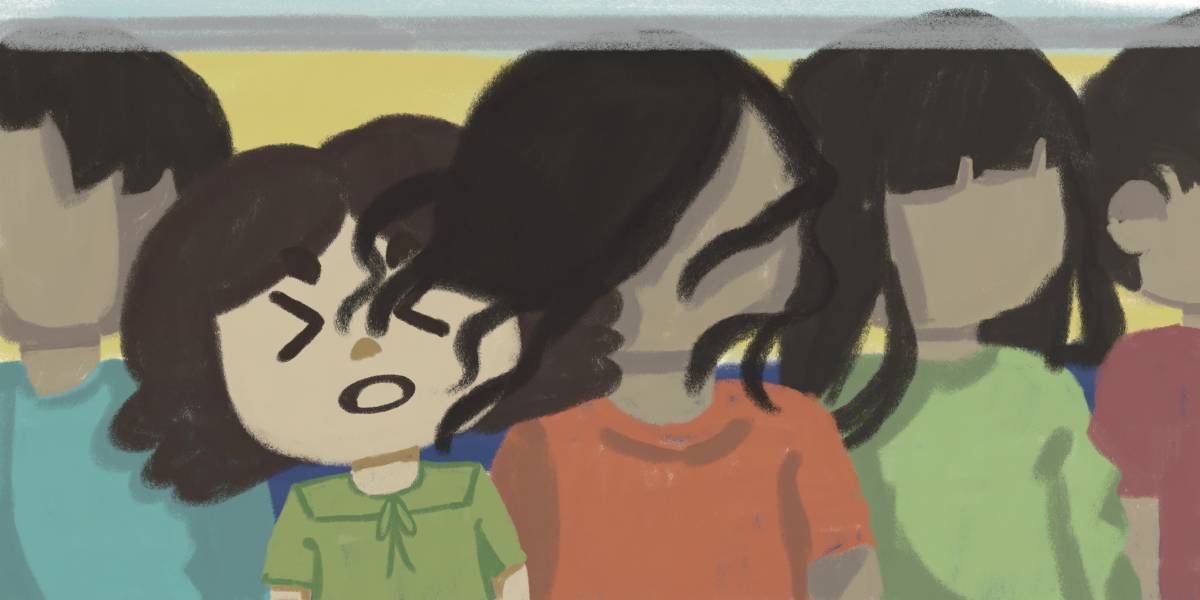
Hygiene does not prevent lice: Children with good hygiene still get head lice because transmission relies on contact, not cleanliness.
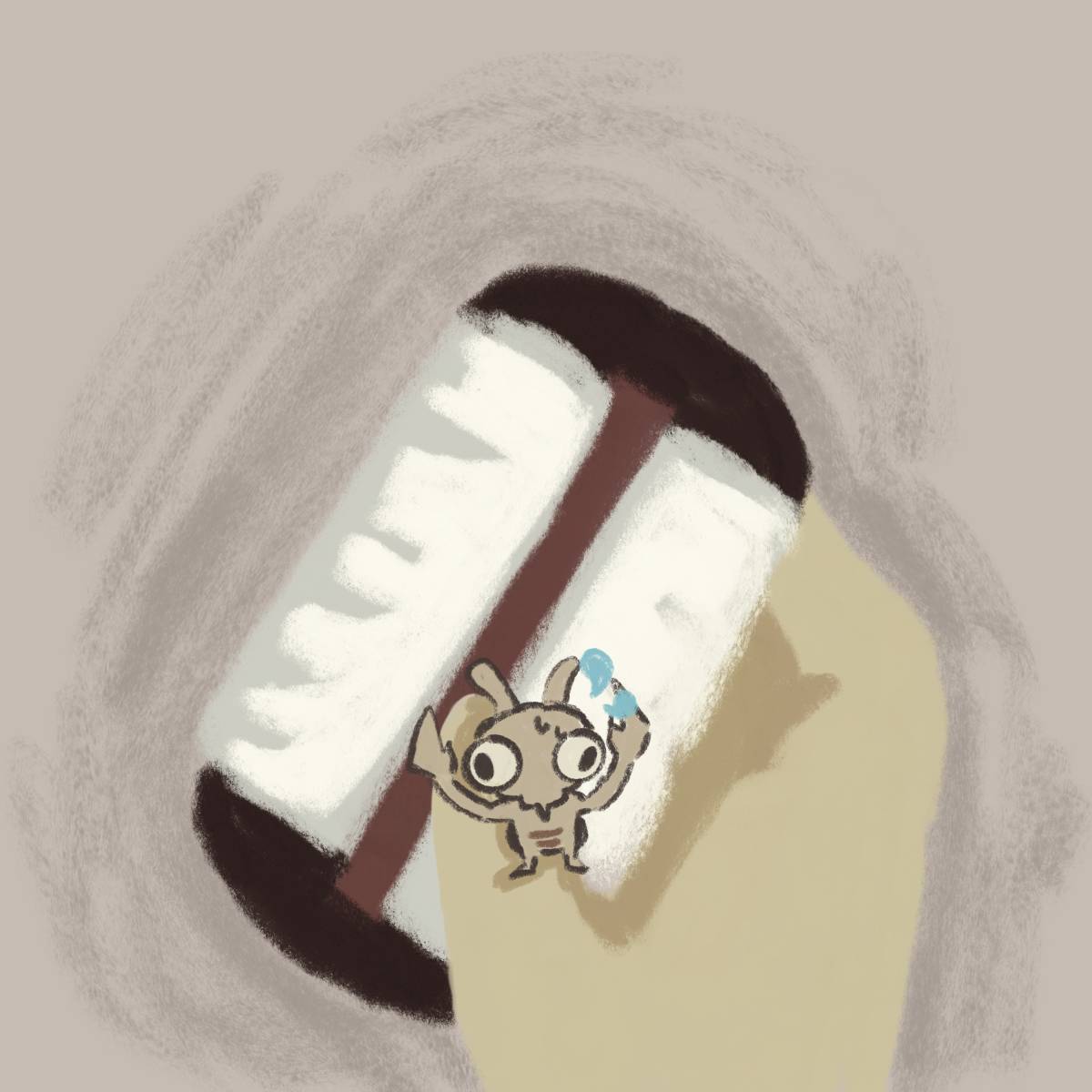
Fine-toothed combing helps but may not fully treat an infestation without medicated products or repeat treatments.
How Common Are Head Lice?
Head lice infestations are particularly high among school-aged children worldwide.
In the Philippines, studies show varied but significant prevalence among schoolchildren:
Given these figures, head lice remain a widespread pediatric concern, not just an occasional issue seen during school checkups.
Diagnosis and Clinical Observations

Dr. Basero tells us that in her practice, children often do not come specifically for lice treatment; lice are typically found incidentally during routine exams for other concerns. This reflects a real clinical pattern: many parents seek care only after discovering lice themselves or when itching becomes noticeable.
Children with lice commonly report symptoms such as:
Medicated Treatments
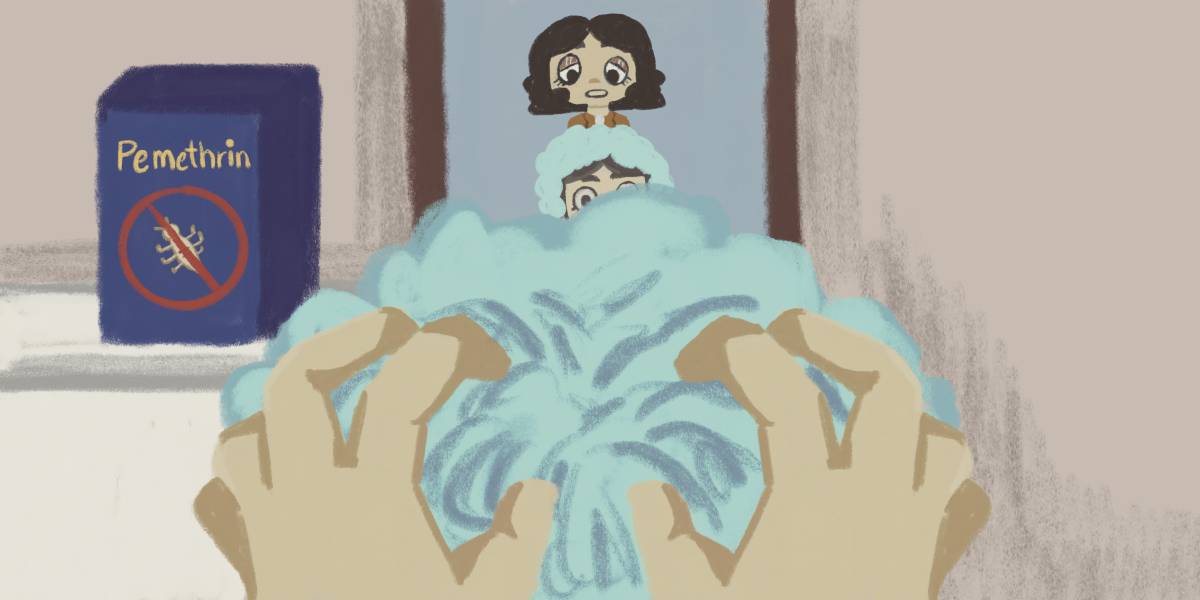
In line with standard pediatric recommendations, Dr. Basero notes that permethrin shampoos are commonly suggested.
Permethrin is a synthetic pediculicide that effectively kills live lice, though it does not always kill unhatched eggs (nits), so repeat treatment is often needed.
Research supports permethrin’s effectiveness, showing cure rates improving over successive treatments (e.g., up to ~90% after repeated applications).
It’s also worth noting that proper technique and education on application significantly improve treatment success. Educational interventions have boosted permethrin efficacy from about 54% to 76% in some studies.
Prevention and Best Practices
According to Dr. Basero, prevention focuses on:
Addressing Emotional and Social Impact
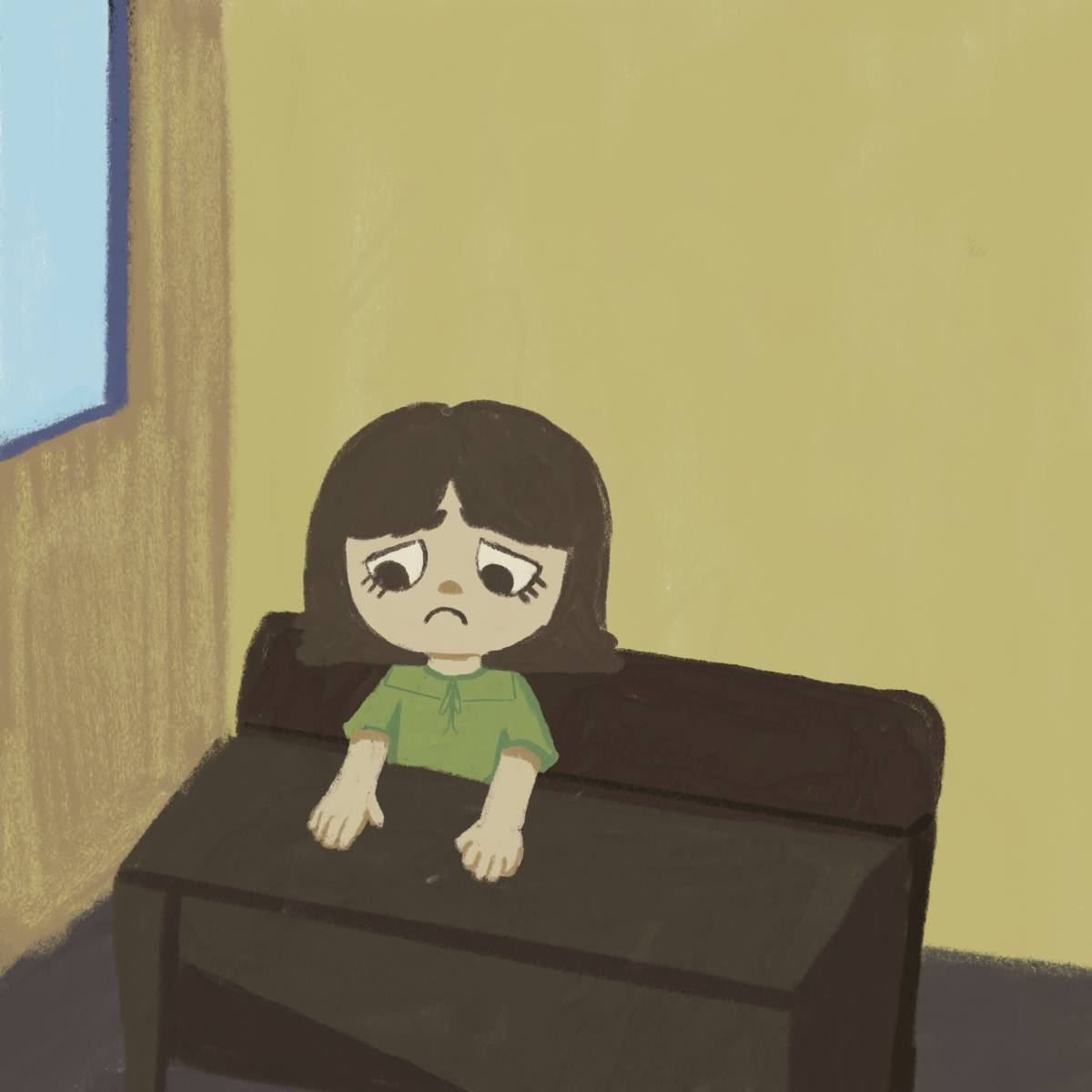
Dr. Basero emphasizes that children are often not highly aware or emotionally disturbed by lice. However, parents can feel embarrassed or stressed about the condition, which aligns with research showing that many families view lice infestations as socially stigmatizing.
Effective communication, reassurance from clinicians, and proper guidance can help reduce anxiety for both children and caregivers.
Conclusions and Expert Takeaways
From both the interview and scientific evidence:
Head lice may not be medically dangerous, but they affect children’s comfort, school attendance, and family routines.
Combining pediatric insights with evidence-based practices offers the best path toward accurate understanding and effective management.
REFERENCES
- Centers for Disease Control and Prevention. (2024). Clinical care of head lice. https://www.cdc.gov/lice/hcp/clinical-care/index.html
- Centers for Disease Control and Prevention. (2024). Head lice: Epidemiology & risk factors. https://www.cdc.gov/lice/about/head-lice.html
- Harvard Health Publishing. (2011, January 19). FDA approves new treatment for head lice. https://www.health.harvard.edu/blog/fda-approves-new-treatment-for-head-lice-201101191170
- Heukelbach, J., & Feldmeier, H. (2010). Epidemiological and clinical characteristics of pediculosis capitis. Parasitology Research, 106(3), 521–531. https://doi.org/10.1007/s00436-010-1715-5
- Koch, E., Clark, J. M., Cohen, B., Meinking, T. L., Ryan, W. G., Vallas, B., & Yoon, K. S. (2016). Permethrin efficacy against head lice. Journal of Medical Entomology, 53(5), 1159–1167. https://doi.org/10.1093/jme/tjw088
- Lebwohl, M., Clark, L., & Levitt, J. (2007). Therapy for head lice based on life cycle, resistance, and safety considerations. Pediatrics, 119(5), 965–974. https://doi.org/10.1542/peds.2006-3087
- Rassami, W., Soonwera, M., & Bunyavong, S. (2024). Prevalence of pediculosis capitis among primary school children: A systematic review and meta-analysis. BMC Public Health, 24, Article 19712. https://doi.org/10.1186/s12889-024-19712-2
- Sison, R. A., Garchitorena, A. A., & Tallo, V. L. (2013). Prevalence of head lice infestation among public school children in Muntinlupa City. Acta Medica Philippina, 47(4), 30–36. https://www.herdin.ph/index.php?cid=373&view=research
- Speare, R., & Buettner, P. G. (1999). Head lice in children: Prevalence and risk factors. International Journal of Dermatology, 38(4), 285–290. https://doi.org/10.1046/j.1365-4362.1999.00667.x
- Toloza, A. C., Zygadlo, J., Mougabure Cueto, G., Biurrun, F., Zerba, E., & Picollo, M. I. (2006). Resistance to permethrin in head lice populations. Medical and Veterinary Entomology, 20(3), 342–346. https://doi.org/10.1111/j.1365-2915.2006.00640.x
- World Health Organization. (2023). Ectoparasitic infestations: Public health significance. https://www.who.int
Share the truth about lice





Thanks for the guide. I wish this lice problem goes away soon. Here’s some medicine that I just bought